How a Strong Wall Helps Keep Soil in Place
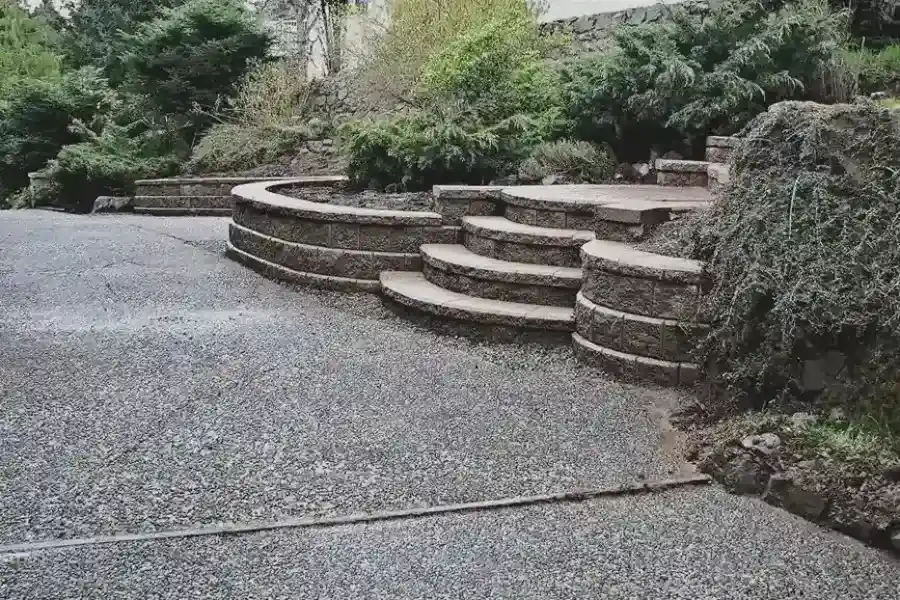
Retaining wall construction helps prevent soil erosion by holding back loose ground, slowing water runoff, and giving sloped areas better support. When soil sits on a hill or uneven yard, rain can wash it away fast. A well-built wall creates a firm barrier that helps stop that movement. In places like Carson City, NV, this can protect landscaping, walkways, driveways, and even parts of a home’s foundation from damage over time.
What You Need Before Starting
Before any project begins, it helps to know what the wall needs to do. Some walls hold back a small garden bed. Others support a steep slope with heavy soil and water pressure behind it. The wall size, soil type, drainage plan, and slope angle all matter. Even the blank service category keyword can fit into a bigger outdoor improvement plan when a property needs grading, drainage, and erosion control working together.
A good plan often starts with a few basic checks. You want to know where water goes during rain, how soft or compact the soil is, and whether the area has signs of shifting. If the wall is too weak or placed in the wrong spot, erosion can keep happening behind it or around the edges.
Step-by-Step Process
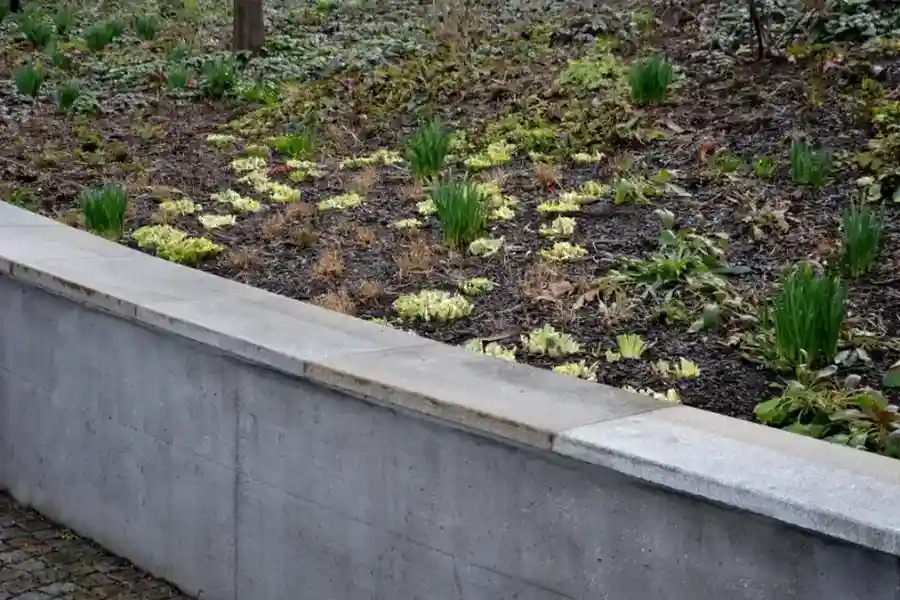
Retaining wall construction works best when each step is done in the right order. Skipping one part can lead to poor drainage, leaning walls, or washed-out soil later.
- Inspect the slope and find where soil is moving.
- Mark the wall location based on the grade and runoff path.
- Dig a solid base trench below the surface.
- Add compacted base material for support and leveling.
- Build the wall with the right blocks, stone, or other materials.
- Install drainage behind the wall to move water away.
- Backfill with proper material, not loose topsoil alone.
- Compact the backfill in layers to reduce settling.
- Finish the top and sides so water does not wash around the wall.
- Add grass, mulch, or plants nearby to help protect exposed soil.
Drainage is one of the biggest parts of the job. Water builds pressure behind a wall. If that water has nowhere to go, the wall can crack, lean, or fail. A drain pipe, gravel backfill, and planned water outlet all help the wall do its job longer.
Common Mistakes to Avoid
Many erosion problems happen because a wall was built without enough support. One common mistake is using a wall that is too short or too thin for the slope. Another is putting blocks right on dirt instead of a compacted base. That can make the wall shift after a heavy rain.
People also forget that water moves around a wall, not just behind it. If the ends are left open or the soil near the sides is loose, runoff can cut around the structure and carry soil away anyway. Poor drainage is another big issue. A wall may look fine at first, then start to bow once wet soil presses against it.
Using the wrong backfill can also cause trouble. Soft soil holds water and settles over time. Gravel or other drain-friendly material usually works much better behind the wall.
When to Call a Professional
Small garden walls may be simple, but larger erosion problems often need expert help. If the slope is steep, the wall is tall, or the area stays wet, professional planning can make a big difference. This is also smart when erosion is close to a patio, driveway, fence, or home.
You should also call for help if you see these warning signs:
- Soil washing into sidewalks or low spots
- Deep ruts after rain
- Leaning fences or shifting landscape edges
- Cracks in an older wall
- Standing water near the slope
- Mud collecting near the foundation
A professional can look at slope pressure, drainage needs, and soil conditions before building starts. That can help prevent costly repairs later. In some cases, the right fix may include grading, drainage work, or more than one wall section instead of a single barrier.
Why This Method Works Over Time
The reason retaining wall construction helps so much is simple. It breaks the force of gravity on a slope and manages water better. Soil on a bare incline wants to move downhill, especially during storms. A wall creates a stop point. It holds material in place and gives the area a stronger shape.
It also helps protect the land around it. When runoff slows down, nearby grass and plants have a better chance to grow. Roots can then help hold the top layer of soil. Over time, that creates a more stable yard with less mess after rain.
This kind of improvement can be useful for both function and appearance. It can turn a problem slope into a clean, usable space while reducing washout and mud. That is why many property owners choose retaining wall construction as part of a long-term erosion control plan.
Get Help With the Next Step
If you are seeing soil wash away in Carson City, NV, we can help you figure out the next step. At JP Lawn and Landscape LLC, we build solutions that fit the slope, drainage, and layout of your property. Call us at (775) 671-4924 to talk with our team about a safer, longer-lasting way to protect your yard.