Simple Path Planning Makes Outdoor Spaces Safer and Easier to Use
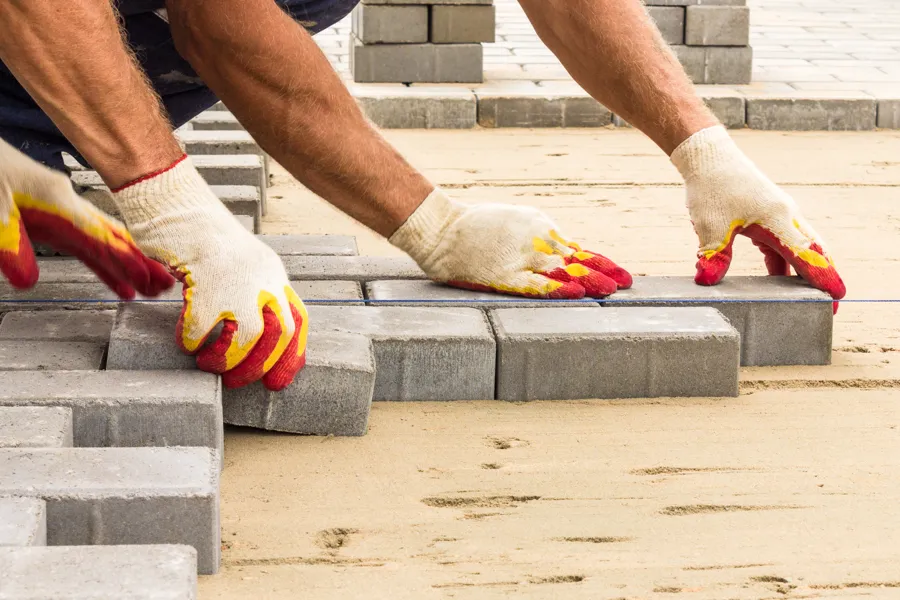
Paver installation can create outdoor paths that are easy to walk on, simple to maintain, and useful in many parts of a yard. A good path helps people move from one space to another without stepping through mud, grass, or uneven ground. In Carson City, NV, this can help connect a driveway, patio, garden, pool area, or side gate in a clean and lasting way. The main goal is to plan the route well, choose the right materials, and build a strong base that supports daily use.
What to Plan Before Starting
Before any paver installation begins, it helps to think about how the path will be used. A front walkway has different needs than a garden trail. Some paths need room for two people side by side. Others just need a narrow walkway to a shed or gate. The shape matters too. A straight path feels neat and direct. A curved path can soften the yard and guide foot traffic around planting beds.
You should also check drainage, slope, and nearby features. Water should move away from the path, not pool on top of it. Tree roots, downspouts, and low spots can all affect the final layout. Even the unnamed service category can connect here when the path is part of a larger outdoor update, such as linking seating areas or other hardscape features.
Step-by-Step Process for Building a Useful Path
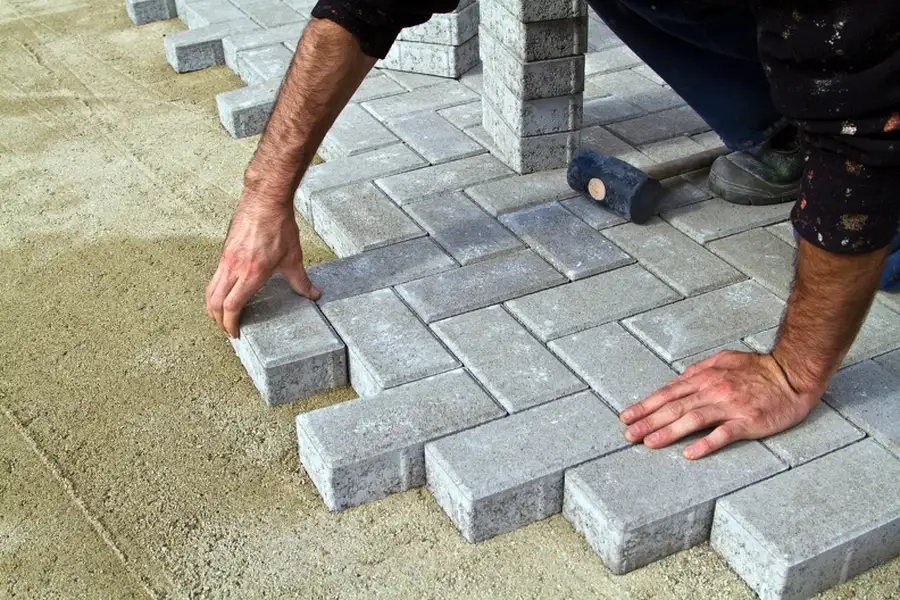
A functional path needs more than nice-looking pavers. It needs a stable base and careful layout. That helps the surface stay even over time.
- Mark the route with stakes, rope, or marking paint.
- Measure the width based on expected foot traffic.
- Excavate the soil to the needed depth.
- Add and compact a gravel base.
- Spread a layer of bedding sand.
- Set the pavers in the chosen pattern.
- Cut edge pieces where needed for a clean fit.
- Install edge restraints to hold the path in place.
- Sweep joint sand into the gaps.
- Compact the surface and check for level areas.
Each step matters. If the base is weak, the path may sink or shift. If edges are not secured, the pavers can spread apart over time. A strong paver installation is built from the ground up, not just from what you see on the surface.
Common Mistakes to Avoid
One common mistake is making the path too narrow. A path that feels cramped can be awkward to use every day. Another issue is poor drainage. If water sits on the path, it can stain pavers, wash out sand, or lead to uneven spots. Skipping proper compaction is also a major problem. Loose soil and base material often lead to movement later.
Some people also choose pavers based only on color. Style matters, but function matters more. Smooth pavers may work well near a patio, while textured options can offer better grip in wet areas. The path should match the home’s look, but it should also match how the area is used.
When a Path Design Works Best
Outdoor paths work best when they solve a real access problem. A path from the driveway to the front door helps guests find a clear entry. A side-yard path keeps trash bins, tools, or utility access off the lawn. A backyard walkway can connect a deck, fire pit, garden, or play area. In many yards, paver installation is not just about style. It helps make the space easier and safer to use every day.
Good path placement can also reduce wear on grass and soil. Instead of seeing worn dirt lines across the yard, you get a clear route that looks finished and feels solid underfoot. That can improve both function and curb appeal at the same time.
When to Call a Professional
Some simple paths may seem easy at first, but many projects have hidden challenges. Sloped yards, drainage problems, curved layouts, and tricky cuts can make the job much harder. Large paths also need careful grading and base prep to avoid future settling. If the walkway needs to connect with a patio, steps, or retaining features, the work often becomes more complex.
A professional can help with layout, material choice, and site prep. That is helpful when you want the path to last through regular foot traffic and weather changes. It can also help when local soil conditions make movement more likely after heavy rain or dry periods.
Final Recommendation
The best outdoor path is one that fits the space, handles daily use, and stays level over time. Smart paver installation starts with a clear plan and a strong base. From there, the right shape, width, and paver style can turn a simple walkway into a practical part of the yard. If you want a path that links key areas and adds structure to the landscape, thoughtful planning is the first step.
Get Help With Your Outdoor Path Project
If you are planning a new walkway in Carson City, NV, we can help you choose a path layout that fits your yard and daily routine. Our team at JP Lawn and Landscape LLC builds practical outdoor surfaces with long-term use in mind. Call us at (775) 671-4924 to talk about your goals and set up your next step.